Review: Vector Roses Bouquet Illustration for Embroidery
As a designer who spends more time staring at stitch simulations than actual flowers, I approach new Graphics with a critical eye. We all know the difference between a pretty picture on a screen and a design that actually survives the hoop. Recently, I took a close look at the Vector Roses Bouquet Illustration to see if it holds up for real-world embroidery projects. This isn't just about whether it looks nice; it is about whether it translates well from a digital Illustrations file into thread on fabric without turning into a tangled mess.
First Impressions and Visual Personality
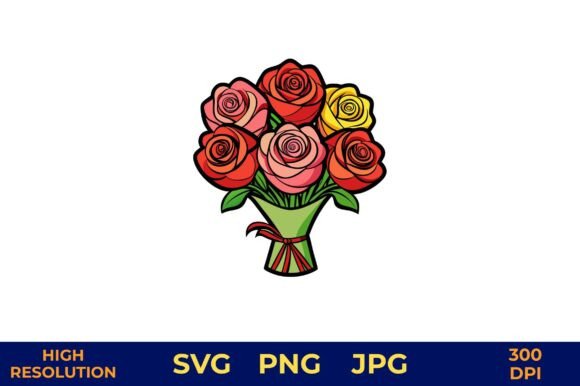
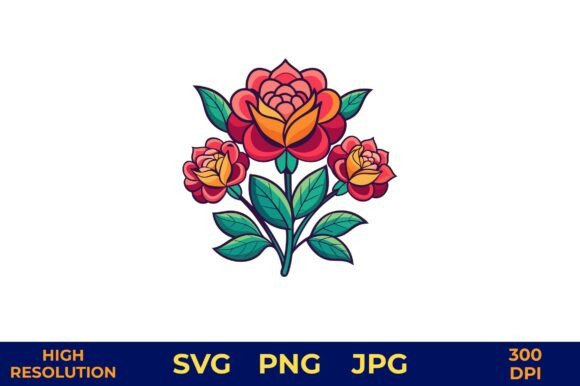
When I first opened the files included in this package—specifically the SVG, PNG, and JPG options—the immediate takeaway was the vibrancy. The description promises "Beauty and Strength," and visually, the bouquet delivers a bold, confident mood. The lines are clean, which is crucial when you are preparing a machine embroidery design. Unlike some overly complex floral vectors that rely on tiny gradients impossible to replicate with thread, this bouquet has distinct shapes. The petals are defined enough to suggest a satin stitch border or a dense fill stitch interior without losing definition.
The layout feels organic yet balanced. It doesn't scream "clip art"; instead, it has the flow of a hand-drawn sketch. For those of us creating handmade products, that artistic imperfection is often what sells the item. The visual personality suggests warmth and elegance, making it a strong candidate for boutique branding or high-end personalized gifts. However, seeing it as a vector is one thing; imagining it as thousands of stitches is another.
Real-World Application: The Tote Bag Test
To truly evaluate the Vector Roses Bouquet Illustration, I mentally placed it onto a canvas tote bag. This is a staple item for many Etsy sellers and craft fair vendors. Imagine a natural beige or heavy cotton tote. The colorful nature of the roses would pop beautifully against the neutral background. Because the design is a bouquet, it offers a centralized focal point perfect for the front panel of a bag.
In this scenario, the design works exceptionally well as a large-scale feature. If you were digitizing this yourself or hiring a digitizer, the broad areas of the rose heads could handle substantial stitch density, giving the finished product a luxurious, textured feel. For a small shop product, this adds perceived value. A customer picking up a tote with this embroidered bouquet immediately recognizes the effort involved compared to a heat-transfer vinyl application. It elevates the item from a simple grocery carrier to a fashion accessory.
Beyond tote bags, I can see this working effectively on sweatshirt embroidery. A crewneck sweatshirt in heather grey or deep navy would provide a fantastic backdrop. The "strength" aspect of the design theme aligns well with the durability of fleece or French terry fabric. Just ensure your hoop size is large enough to capture the full spread of the bouquet without cropping essential leaves or stems, which would ruin the composition.
Fabric Considerations and Technical Challenges
While the design is versatile, it is not without its challenges. Every experienced embroiderer knows that not all fabrics play nice with detailed florals. If you plan to use this on stretchy knits, like a baby onesie for baby embroidery projects, you must be cautious. The density required to make the roses look solid might cause the fabric to pucker or distort over time. In these cases, using a high-quality cut-away stabilizer is non-negotiable.
Textured fabrics present another hurdle. If you are stitching this onto a waffle weave kitchen towel or a thick terrycloth apron, the fine details of the vector might get lost in the fabric's texture. The thread colors need to have enough contrast against the base material. For dark fabrics, you might need to adjust the underlay or consider a lighter thread palette to ensure the "vibrant" promise of the original illustration shines through. Conversely, on very thin silks or linens, a dense floral design could become too heavy, weighing down the garment.
Curved surfaces, such as caps, require special attention. The Vector Roses Bouquet Illustration has a relatively wide horizontal spread. Fitting this onto the limited real estate of a cap front panel might require scaling it down significantly. If you shrink it too much, the small details between petals could merge, leading to a muddy look where individual stitches blend together. Always test a scaled-down version on scrap fabric before committing to a production run of hats.
Commercial Viability and Brand Consistency
For commercial embroidery professionals and creative entrepreneurs, consistency is key. Does this design fit your brand? If your shop specializes in romantic, vintage, or botanical themes, this bouquet is a perfect fit. It enhances brand recognition because the style is distinct. When customers see that specific rose style, they should think of your shop.
However, we must address the file formats provided. The product includes SVG, PNG, and JPG files. It is vital to understand that these are Graphics and Illustrations, not native embroidery files (like DST, PES, or EXP). You cannot load a JPG directly into your embroidery machine. To use this for stitching, you will need to use digitizing software to convert the vector paths into stitch commands, or send the SVG to a professional digitizer. This step is crucial for controlling the stitch density, determining the direction of the satin stitch columns, and mapping out the running stitch outlines.
If you are selling digital embroidery file assets, remember that you are selling the potential of the design, not the stitches themselves, unless you have done the digitizing work. For those selling physical goods, this distinction matters less, but the quality of your digitization will dictate the quality of your custom apparel.
Practical Designer Notes for Success
Before you start stitching or listing items, here are a few practical steps to ensure success with the Vector Roses Bouquet Illustration:
- Test on Scrap Fabric: Never skip this. Stitch the design on the exact same fabric and stabilizer combination you plan to use for the final product. Check for puckering, registration issues, or thread breaks.
- Check Color Contrast: View the design in black and white mockups. If the roses disappear into the leaves in grayscale, your thread color choices might lack sufficient contrast for the machine to distinguish the layers.
- Verify Licensing: The product description mentions "Just Download and Print Your Own." If you intend to use this for commercial sales, such as Etsy listings or boutique merchandise, double-check the specific license terms regarding commercial use of the vector art for digitization purposes.
- Inspect Small Details: Look closely at the intersections of petals and leaves. In embroidery, sharp corners can be difficult to stitch cleanly. You may need to simplify some nodes in the SVG before digitizing to ensure smooth turns.
- Consider Washability: If the finished product is a tea towel or baby item that will be washed frequently, ensure your stitch coverage is dense enough to withstand agitation without fraying, but not so dense that it creates a stiff, uncomfortable patch.
Ultimately, the Vector Roses Bouquet Illustration offers a strong foundation for beautiful textile work. Its vibrant character and symbolic theme of strength make it emotionally resonant for buyers. Whether you are creating a holiday gift, a wedding favor, or a line of embroidered patches, the potential is there. But like any good design, its success lies in the execution. Treat the vector as a blueprint, respect the limitations of thread and fabric, and you can turn this digital asset into a tangible piece of art that customers will cherish.