Review: Colorful Roses in Green Wrap Vector Art
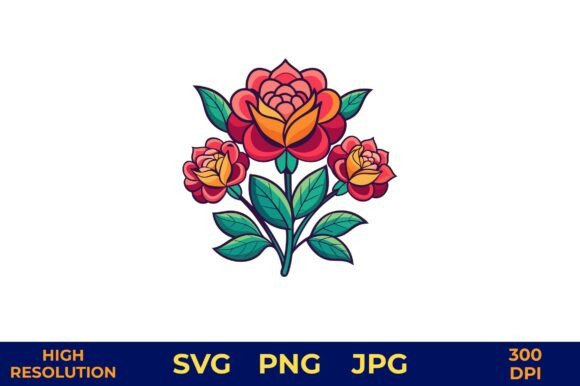
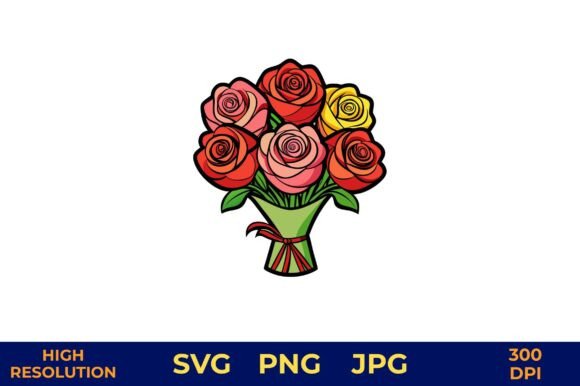
When I first pulled up the Colorful Roses in Green Wrap Vector Art on my screen, my immediate reaction wasn't just about the colors; it was about the potential stitch-out. As someone who spends hours digitizing and reviewing files for real-world application, I look past the pretty preview image to see how a design will actually behave under the needle. This vibrant vector illustration of a rose bouquet wrapped in green paper has a distinct personality. It feels fresh, modern, and slightly illustrative, which makes it a versatile candidate for various embroidery projects. However, moving from a digital graphic to a physical handmade product requires a critical eye.
First Impressions and Design Personality
The layout of this design is compact yet detailed. The way the roses are bundled suggests a sense of gift-giving and celebration, which immediately opens up avenues for specific market niches. The "green wrap" element provides a natural frame, keeping the eye focused on the colorful blooms in the center. For an embroidery designer, this framing is crucial because it defines the boundaries of your hoop size requirements. The visual mood is cheerful and inviting, making it an excellent choice for spring collections, Mother's Day items, or boutique branding that leans toward floral and organic aesthetics.
While the source file is a high-quality SVG, PNG, and JPG set intended for printing, using it as a basis for a machine embroidery design means we have to consider how those smooth vector lines translate into thread. The contrast between the vibrant petals and the green wrapping is strong, which is a good sign for stitching clarity. In embroidery, if the colors blend too much on the screen, they often disappear entirely once stitched. Here, the separation looks promising for creating a defined, professional look.
Real-World Application Scenarios
Let's talk about where this design actually shines. I recently envisioned using this motif for a custom tote bag design. Imagine a heavy canvas tote with this bouquet stitched in the center using a combination of satin stitch for the stems and wrapper, and a textured fill stitch for the rose petals. The result would be a sturdy, high-value item perfect for a farmer's market or a local florist's merchandise.
Another strong contender for this artwork is sweatshirt embroidery. A crewneck sweatshirt in a neutral cream or oatmeal color would allow the greens and pinks of the roses to pop without overwhelming the garment. Because the design has a contained shape (the wrap), it sits well on the chest or even on the sleeve as a smaller accent. For Etsy sellers looking to expand their custom apparel line, this offers a ready-made theme that appeals to customers looking for unique, non-generic floral designs.
I also see great potential in home decor, specifically pillow covers or kitchen tea towels. The "gift wrap" theme translates beautifully to a housewarming present or a hostess gift. If you are running a small shop product line, offering a set of embroidered towels featuring this bouquet could be a quick seller during the holiday season. The key here is the versatility of the Illustrations category; it bridges the gap between fine art and functional decoration.
Technical Considerations for Stitching
Before you commit to stitching this on a client's expensive garment, there are technical hurdles to clear. Since the original product is a vector graphic for print, you cannot simply load the SVG into your embroidery machine and expect magic. You will need to digitize it or purchase a pre-digitized embroidery file version if available. If you are doing the digitizing yourself, pay close attention to stitch density. Floral designs can easily become too dense, leading to puckering, especially on stretchy fabrics like t-shirts or baby clothes.
When working with the green wrapping section, be careful with long runs of satin stitch. If the wrap area is wide, you may need to add underlay stitches or break the column into shorter segments to prevent the thread from looping or losing tension. For the rose petals, a varied fill stitch pattern can add dimension, mimicking the layers of a real flower. However, ensure that the transition between colors doesn't create excessive jump stitches that you'll have to trim later.
Fabric choice is another critical factor. This design would struggle on highly textured fabrics like thick wool or looped terrycloth unless you use a heavy-duty stabilizer and perhaps adjust the stitch length. On thin, delicate fabrics, the density of a floral bouquet could cause the material to pucker or tear. Always test the design on a scrap piece of the actual fabric you intend to use. This simple step saves time, money, and reputation.
Navigating Challenges with Small Details
One area that requires caution is the level of detail within the roses. In a printed graphic, tiny details look crisp. In embroidery, threads have physical thickness. If the vector art includes very fine lines or tiny gaps between petals, these might merge together when stitched. If you are planning to use this for a small hoop project, like a cap or a patch, you might need to simplify the design. Remove the smallest details and broaden the color blocks to ensure the finished product remains legible from a distance.
Curved surfaces, such as baseball caps, present another challenge. The flat nature of the "wrap" illustration might distort slightly when stitched onto a curved front panel. It is advisable to run a test stitch-out on a similar curved surface to check for registration issues. Additionally, if you plan to offer this as a personalized gift with added text, ensure there is enough negative space around the bouquet to accommodate lettering without crowding the composition.
Practical Notes for Designers and Makers
- Test First: Never skip the scrap fabric test. Check how the thread colors interact with your specific fabric texture.
- Stabilizer Selection: Use a cut-away stabilizer for stretchy garments like sweatshirts and a tear-away for stable woven fabrics like tote bags.
- Color Contrast: Review the design in black and white on your screen before stitching. If the values are too similar, the design will look muddy.
- Licensing Check: Since this is a digital asset, confirm the license terms before selling finished items. Ensure commercial use is permitted for your craft business.
- Hoop Size: Measure the design dimensions against your available hoops. You may need to resize the vector art to fit standard embroidery hoops.
- Washability: Consider the end user. If this is for a baby item or kitchen towel that will be washed frequently, secure all thread ends tightly and consider a water-soluble topper to protect the stitches during washing.
Final Verdict on Commercial Viability
The Colorful Roses in Green Wrap Vector Art holds significant promise for creative entrepreneurs. Its aesthetic is timeless enough to avoid looking dated next season, yet specific enough to stand out in a crowded marketplace. For an Etsy seller or boutique owner, the value lies in how you execute the transition from screen to stitch. A well-digitized version of this design on a high-quality blank can command a premium price point due to its perceived artistry.
Ultimately, this design is more than just a pretty picture; it is a foundation for a profitable embroidery project. Whether you are creating a line of holiday embroidery gifts, expanding your digital embroidery file shop, or making a one-off personalized gift for a friend, the success depends on your attention to technical detail. By respecting the limitations of the medium and leveraging the strengths of the illustration, you can turn this vector art into a tangible asset that builds customer trust and enhances your brand's professionalism.